01
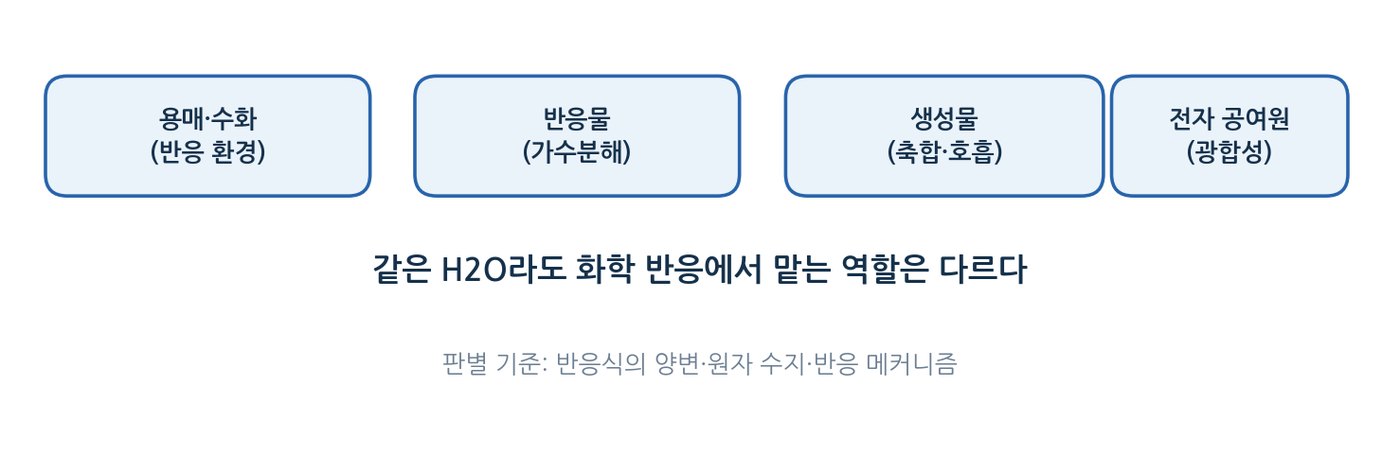
Water is both solvent and reactant
- Most biochemical reactions occur in water, but some consume or produce it
- The distinction matters for balancing equations and for free-energy accounting
- Water activity is effectively constant in dilute solution, which simplifies kinetics
02
Water is a reactant in hydrolysis and a product of condensation
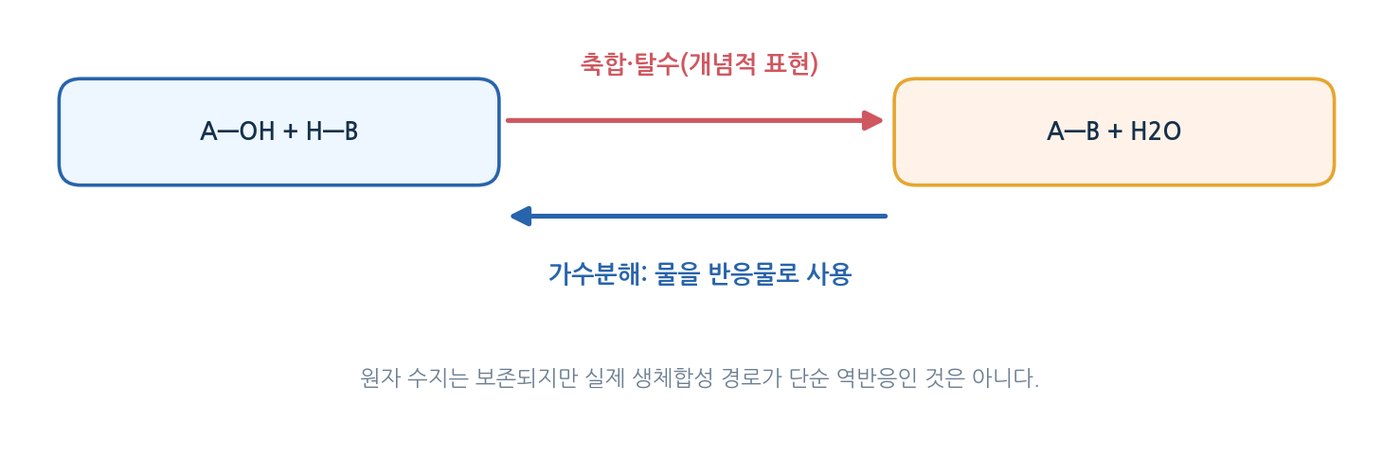
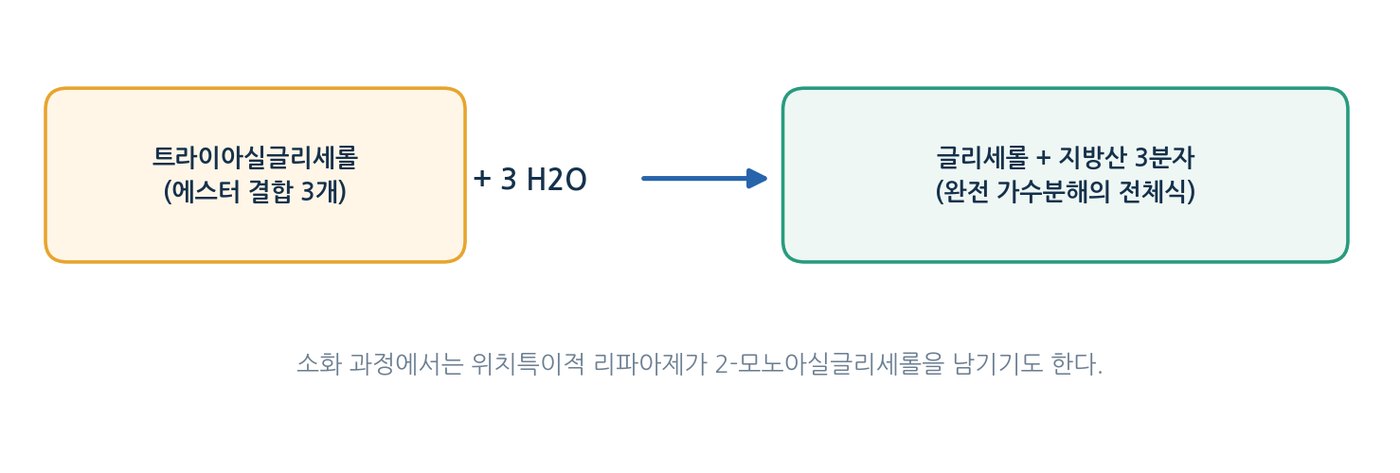
- Hydrolysis cleaves a bond with water; condensation forms a bond and releases water
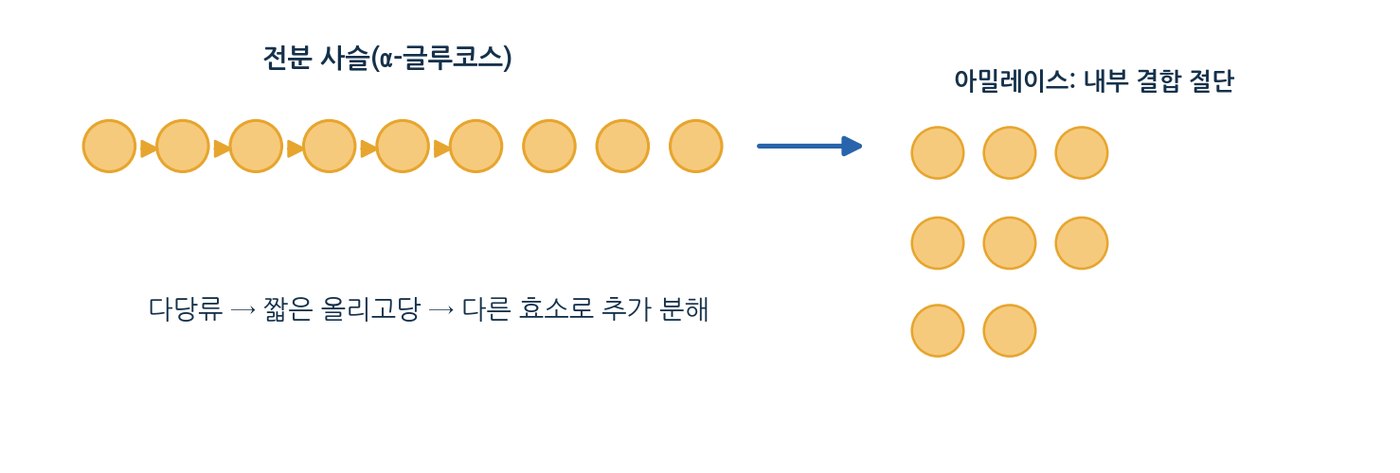
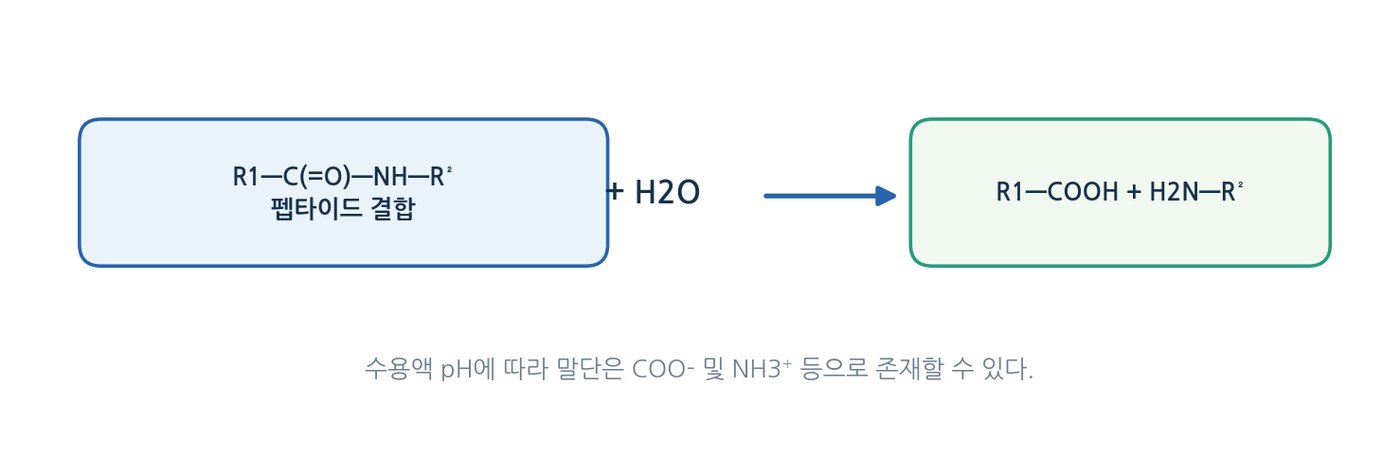
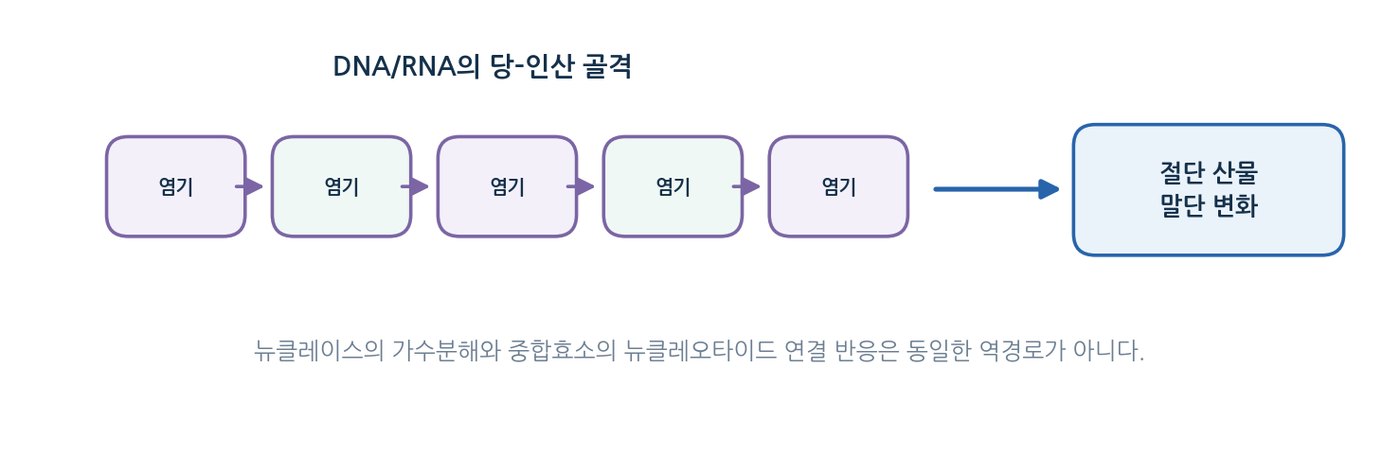
- Peptide, glycosidic and phosphodiester bonds are made and broken this way
- The overall stoichiometry is simple, though the enzymatic mechanisms are not
03
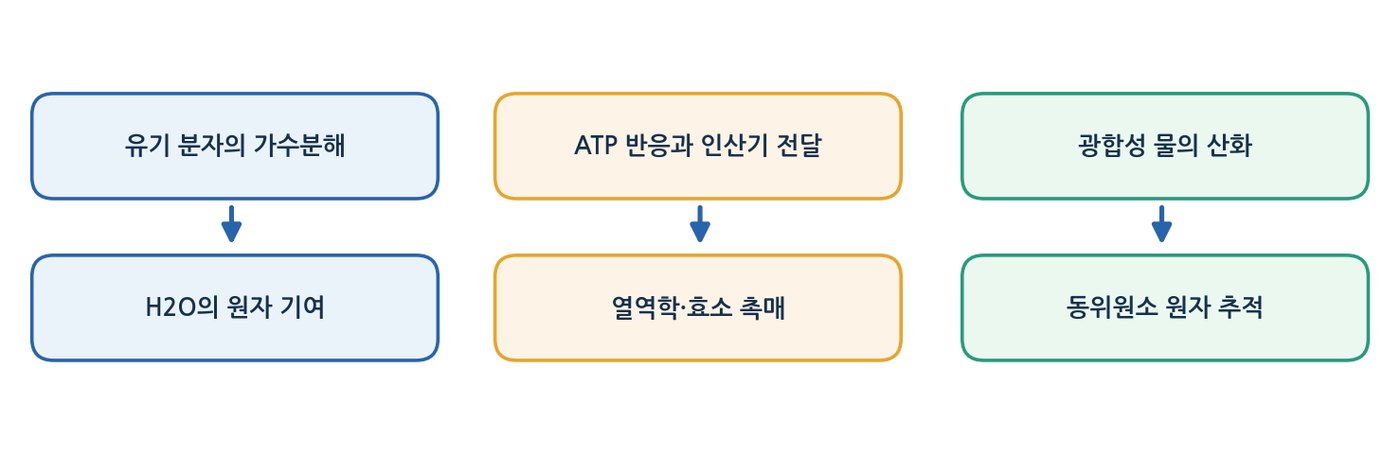
Water contributes atoms when biopolymers are degraded
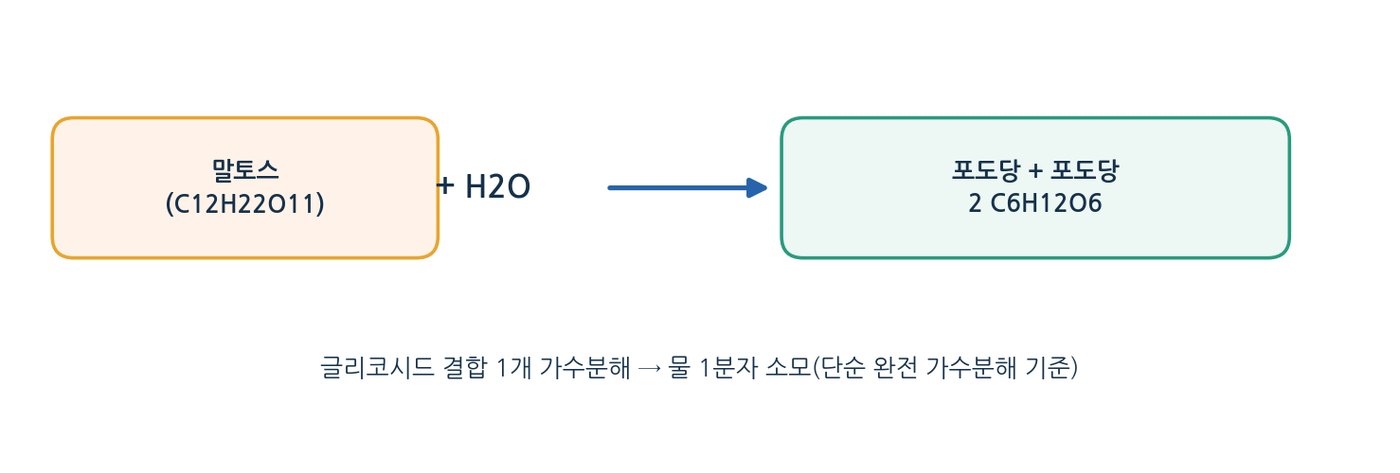
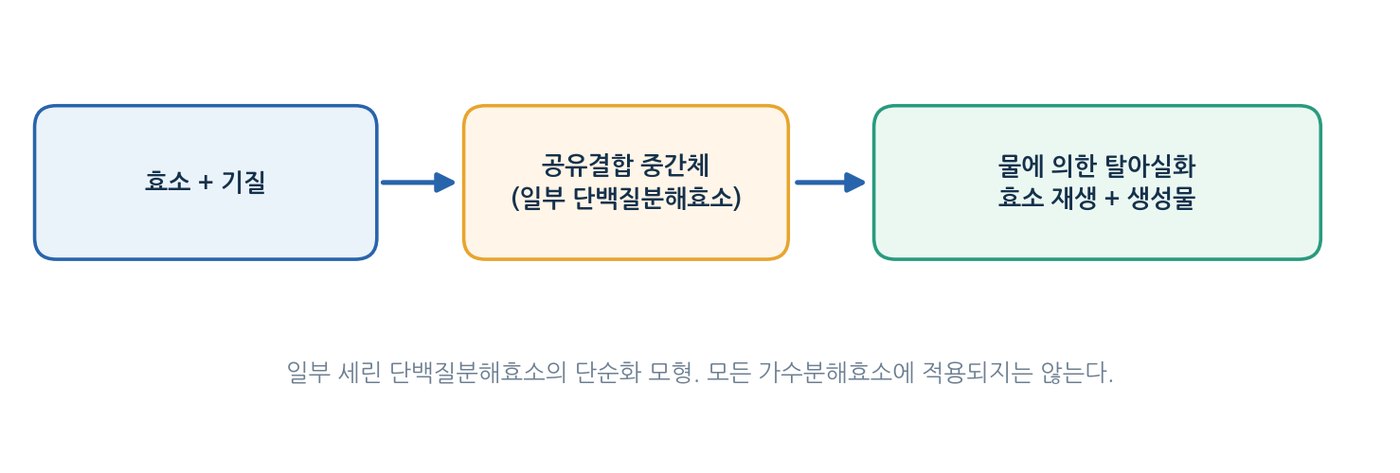
- Proteases, glycosidases and nucleases add water across the bond being cut
- One water per bond cleaved; the products gain the elements of water
- Complete hydrolysis of a polypeptide yields free amino acids
04
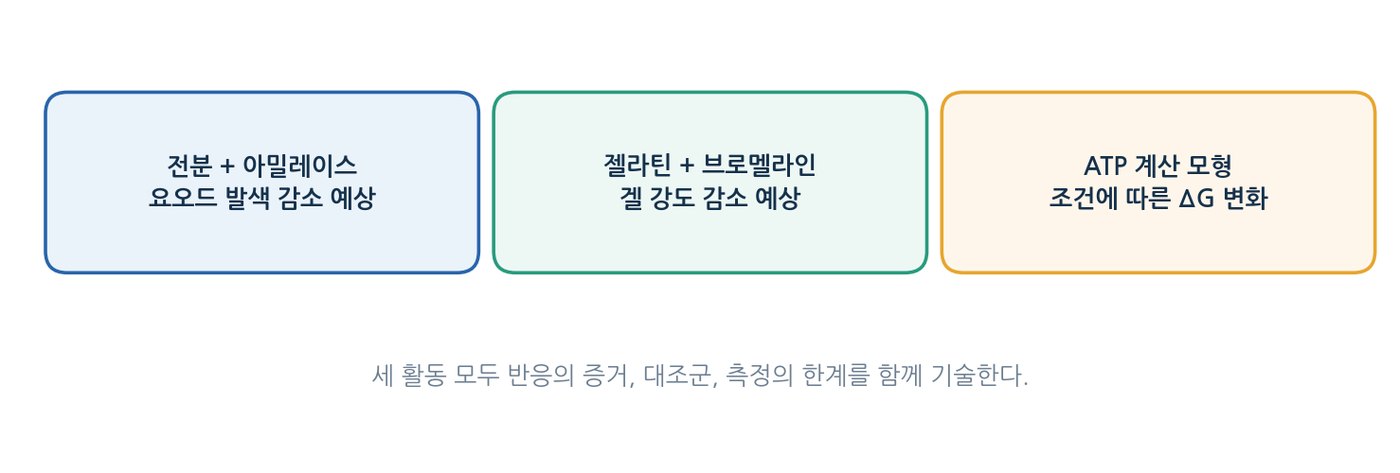
Water changes the overall free energy of ATP hydrolysis
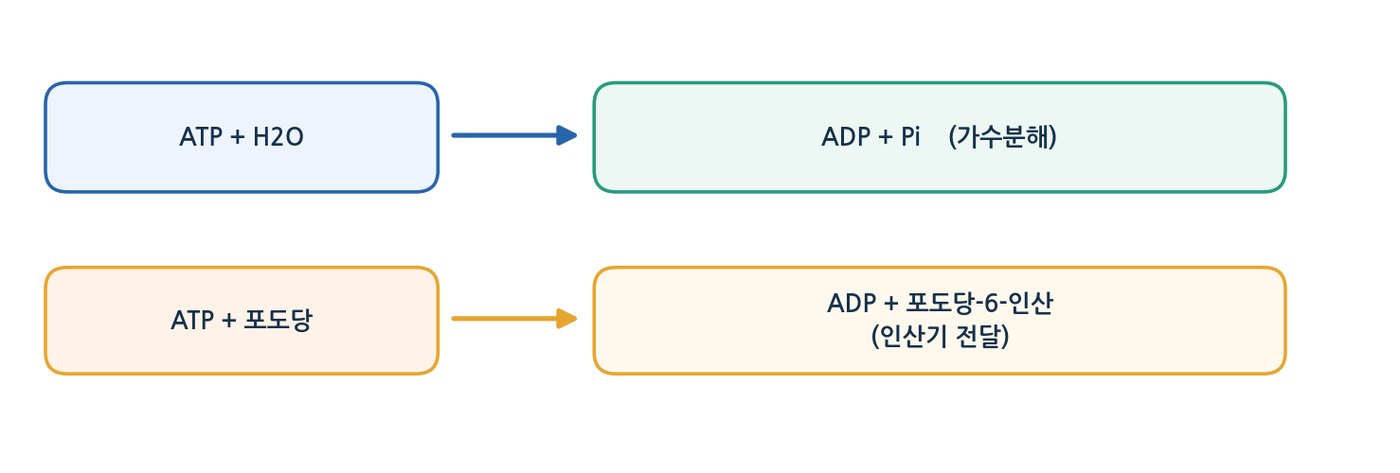
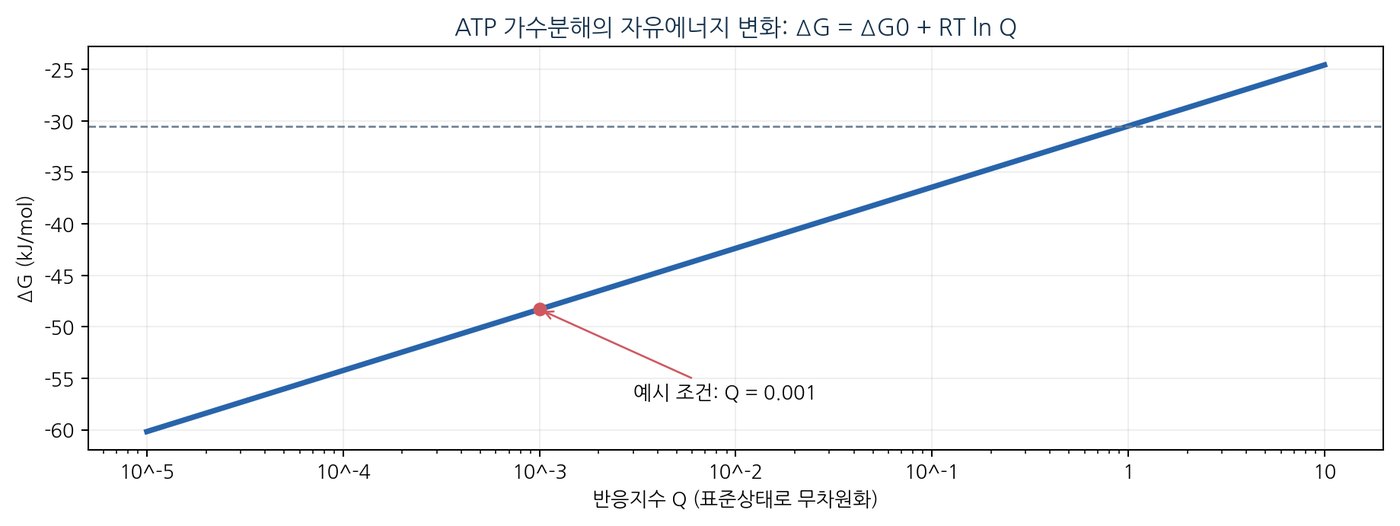
- ATP + H₂O → ADP + Pi has ΔG°′ ≈ −30.5 kJ/mol under standard biochemical conditions
- The favourable value arises from resonance stabilisation, hydration and ionisation of products
- Actual ΔG depends on concentrations of ATP, ADP, Pi and Mg²⁺
05
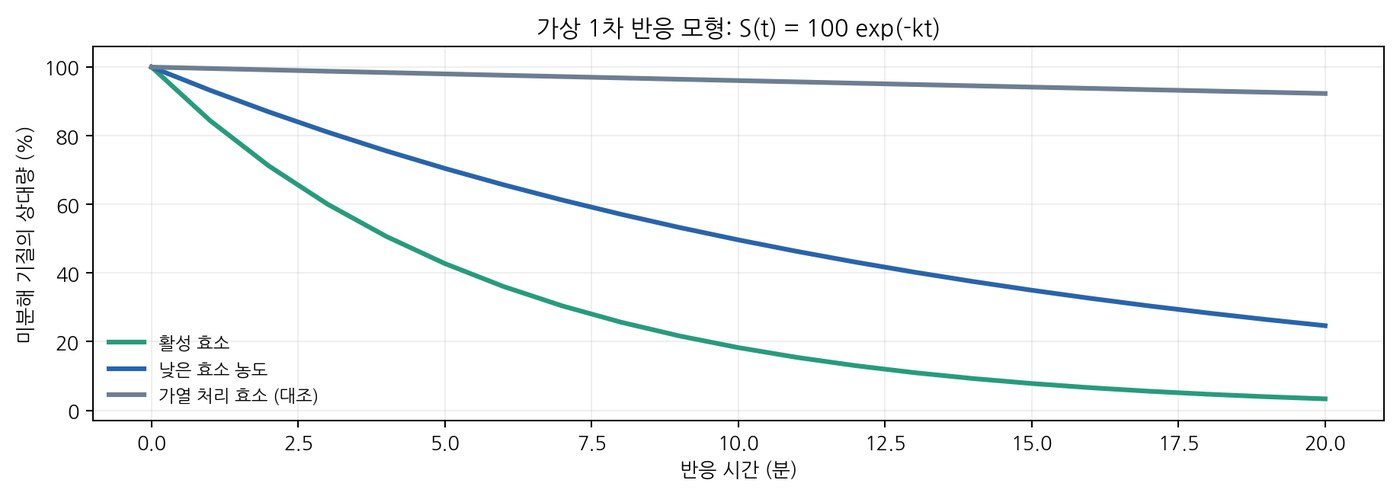
Enzymes accelerate reactions in which water participates
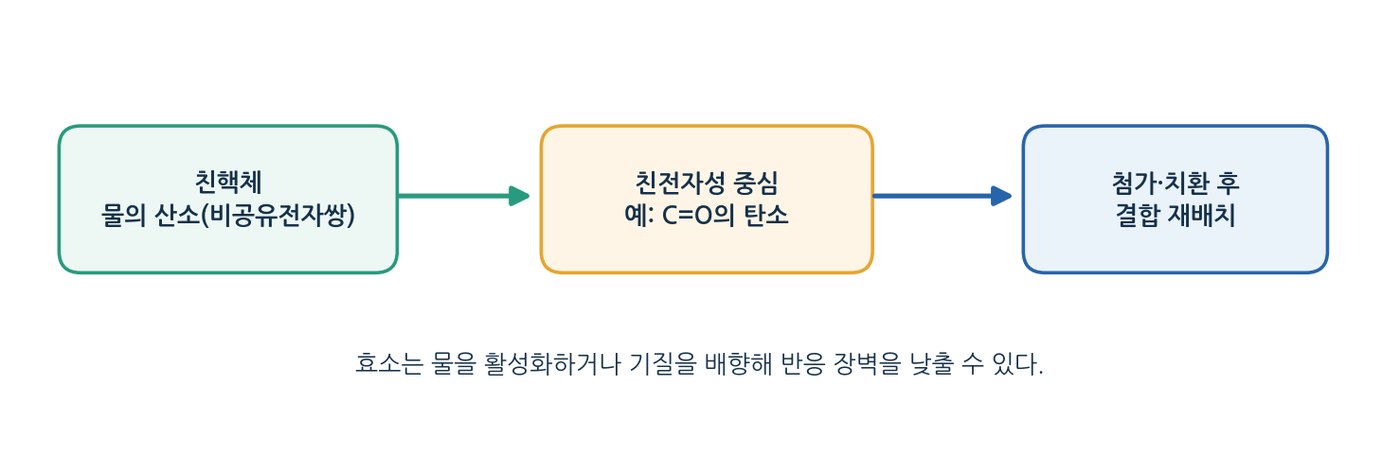
- Hydrolases position water and the susceptible bond for in-line attack
- Metal ions or acid–base residues polarise the water molecule
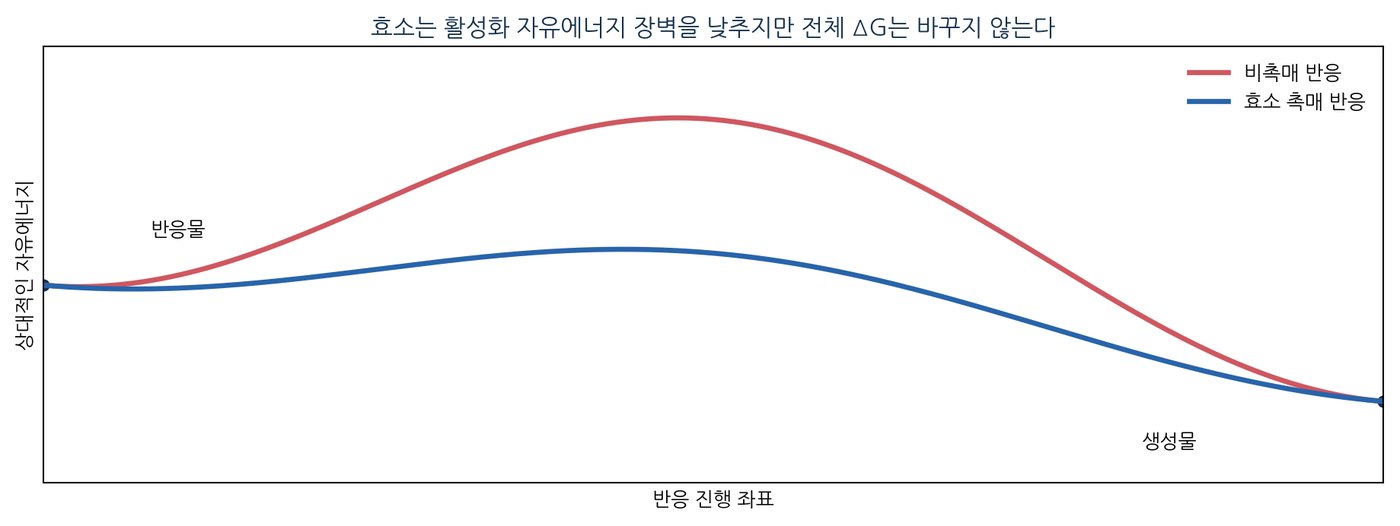
- Rate enhancements of many orders of magnitude are common
06
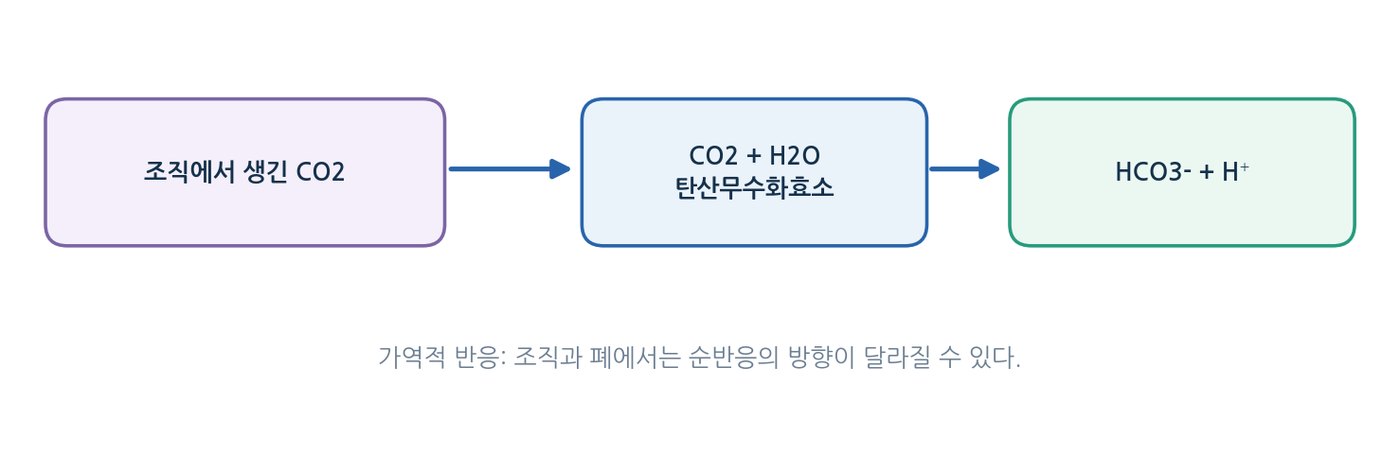
Hydration reactions help carry carbon dioxide in blood
- Carbonic anhydrase catalyses CO₂ + H₂O ⇌ H₂CO₃
- The carbonic acid dissociates to bicarbonate and a proton
- This is the fastest known enzyme and central to acid–base transport
07
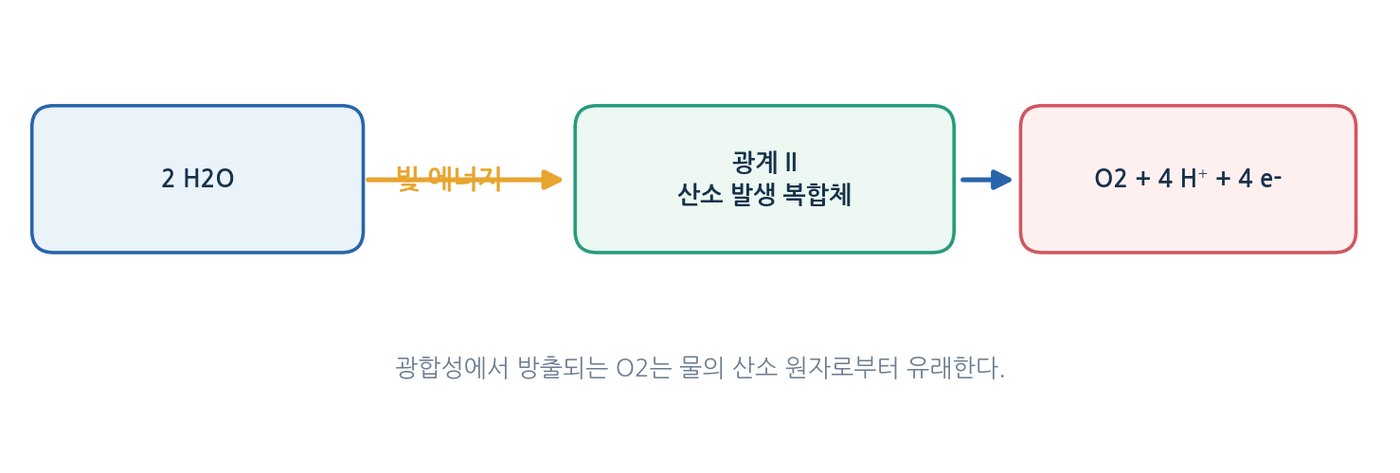
Water is oxidised in photosynthesis
- Photosystem II extracts electrons from water, releasing O₂ and protons
- The electrons replace those lost by the reaction centre chlorophyll
- The resulting proton gradient contributes to ATP synthesis
References
| Role | Criterion | Biochemical example |
|---|---|---|
| Solvent | May not appear in the reaction stoichiometry | Hydration layer around a protein |
| Reactant | H₂O is consumed in the net reaction | Maltose hydrolysis, CO₂ hydration |
| Product | H₂O is produced in the net reaction | Overall condensation equation, oxygen reduction |
| Electron donor | Electrons come from the oxidation of water | Water oxidation at photosystem II |
| Biomolecule | Bond cleaved | Typical catalyst | Feature |
|---|---|---|---|
| Maltose and starch | Glycosidic bond | Maltase, amylase and others | Yields monosaccharides or short chains |
| Protein | Peptide bond | Pepsin, trypsin and others | Yields amino acids and peptides |
| Triacylglycerol | Ester bond | Lipase | Positional specificity in digestion |
| DNA and RNA | Phosphodiester bond | Nucleases | The cleaved end depends on the enzyme |
| Reaction | Role of water | Electron movement | Main site |
|---|---|---|---|
| Water oxidation in photosynthesis | Reactant | H₂O supplies electrons | Photosystem II in the thylakoid membrane |
| Oxygen reduction in aerobic respiration | Product | O₂ accepts electrons | Complex IV of the inner mitochondrial membrane |
| CO₂ hydration | Reactant (reversible) | Mainly hydration and proton transfer | Red blood cells and many tissues |
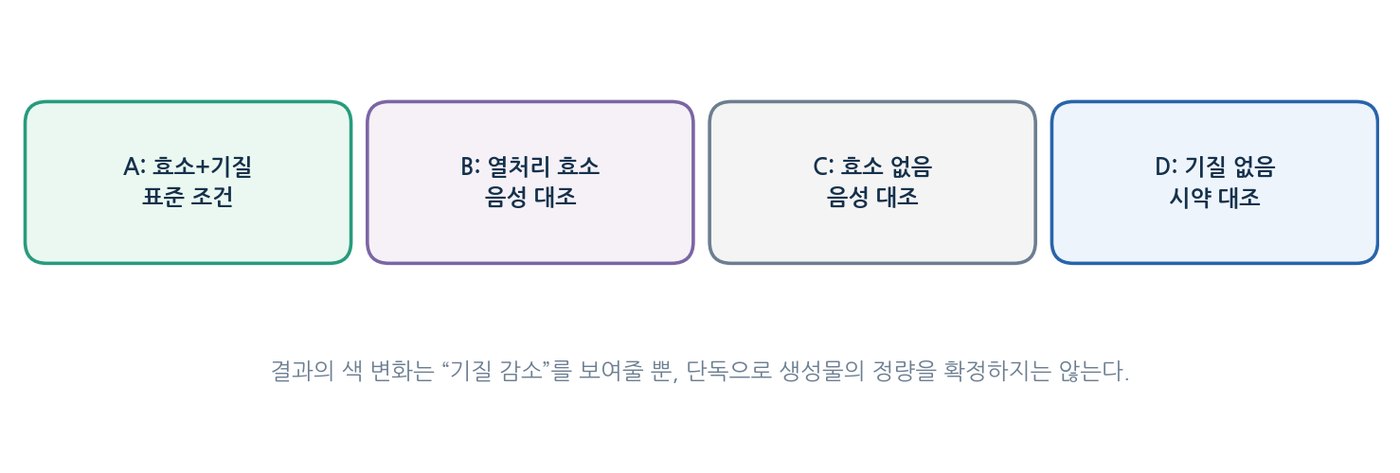
| Time (min) | A: active enzyme | B: heat-treated enzyme | C: no enzyme | D: no substrate |
|---|---|---|---|---|
| 0 | ||||
| 3 | ||||
| 6 | ||||
| 9 | ||||
| 12 |
| Treatment | 15 min | 30 min | 45 min | Interpretation |
|---|---|---|---|---|
| Fresh juice A | ||||
| Boiled juice B | ||||
| Water C |
| [ADP] (mmol/L) | Q′ (dimensionless) | ΔG (kJ/mol) |
|---|---|---|
| 0.10 | ||
| 0.20 | ||
| 0.50 | ||
| 1.00 | ||
| 2.00 |
| Commonly misstated | Scientifically accurate |
|---|---|
| Water only provides the place where reactions happen | Water can be solvent, reactant, product or electron donor |
| Breaking any bond releases energy | Bond cleavage costs energy; the overall ΔG includes products and solvation |
| ATP first hydrolyses and the released heat drives the reaction | Enzymatic coupling such as phosphate transfer is the key step |
| Protein synthesis is simply the reverse of hydrolysis, removing one water | Biological peptide synthesis uses aminoacyl-tRNAs |
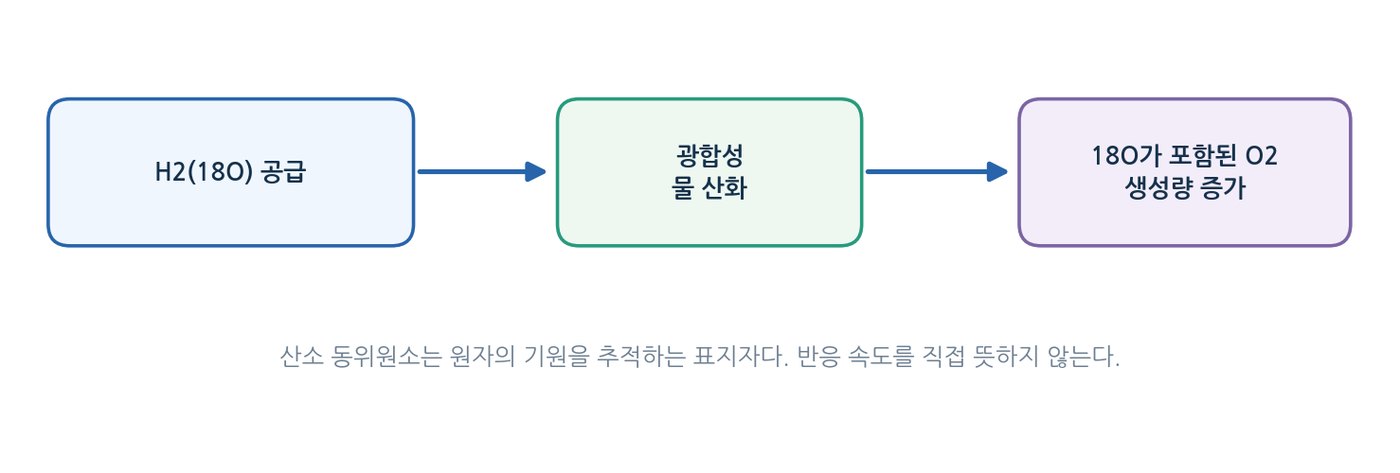
| The O₂ of photosynthesis comes from CO₂ | In oxygenic photosynthesis the O₂ comes from water |
| Enzymes change the equilibrium by adding water | Enzymes raise the rate but do not change the equilibrium constant |