01
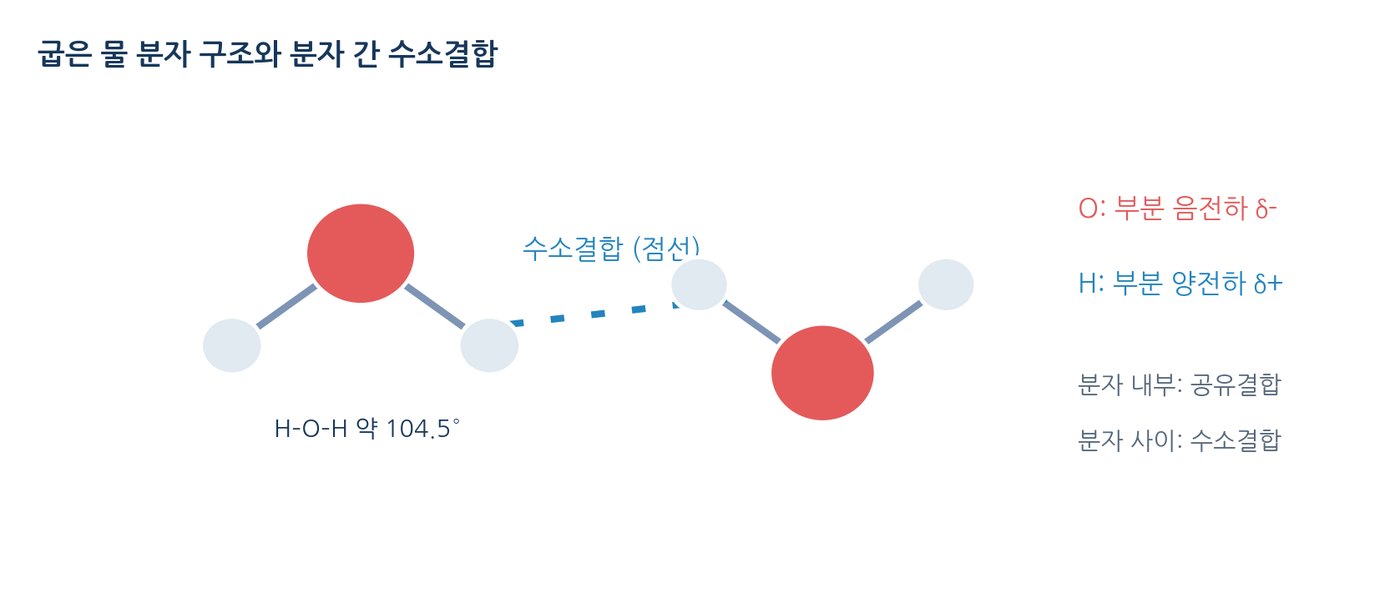
Hydrogen bonding gives water its unusual properties
- Two O–H bonds at about 104.5° give a bent, strongly dipolar molecule
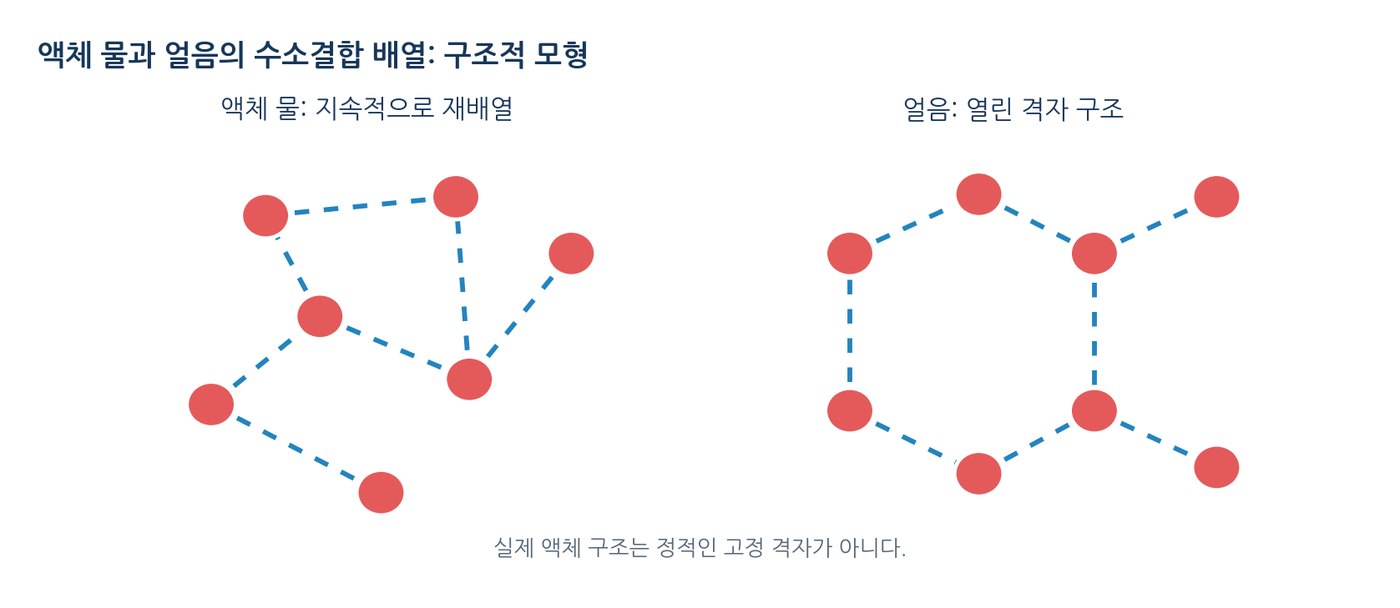
- Each water can donate two hydrogen bonds and accept two, forming a dynamic network
- Consequences: high boiling point, high surface tension, high heat capacity, open ice lattice
02
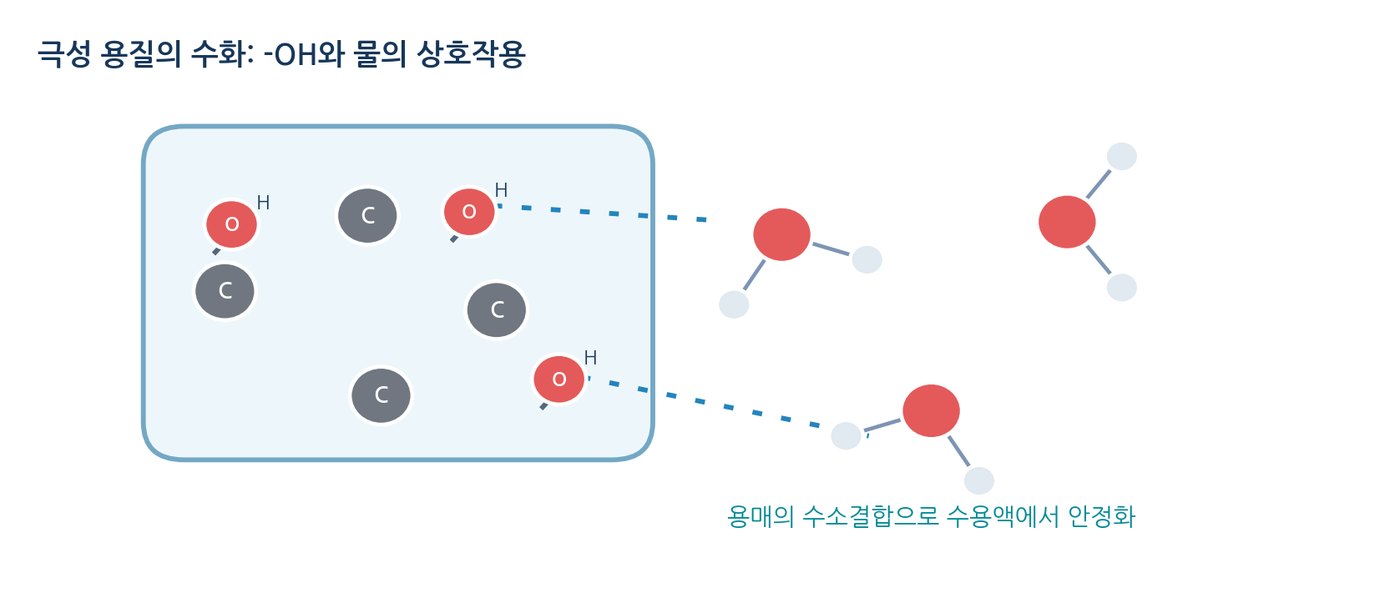
Water hydrogen-bonds with polar solutes
- Hydration shells surround hydroxyl, amino and carbonyl groups
- Sugars, amino acids and short peptides dissolve because hydration compensates for lost crystal contacts
- Directionality of hydrogen bonds makes recognition specific rather than merely tight
03
Water interacts electrostatically with charged solutes
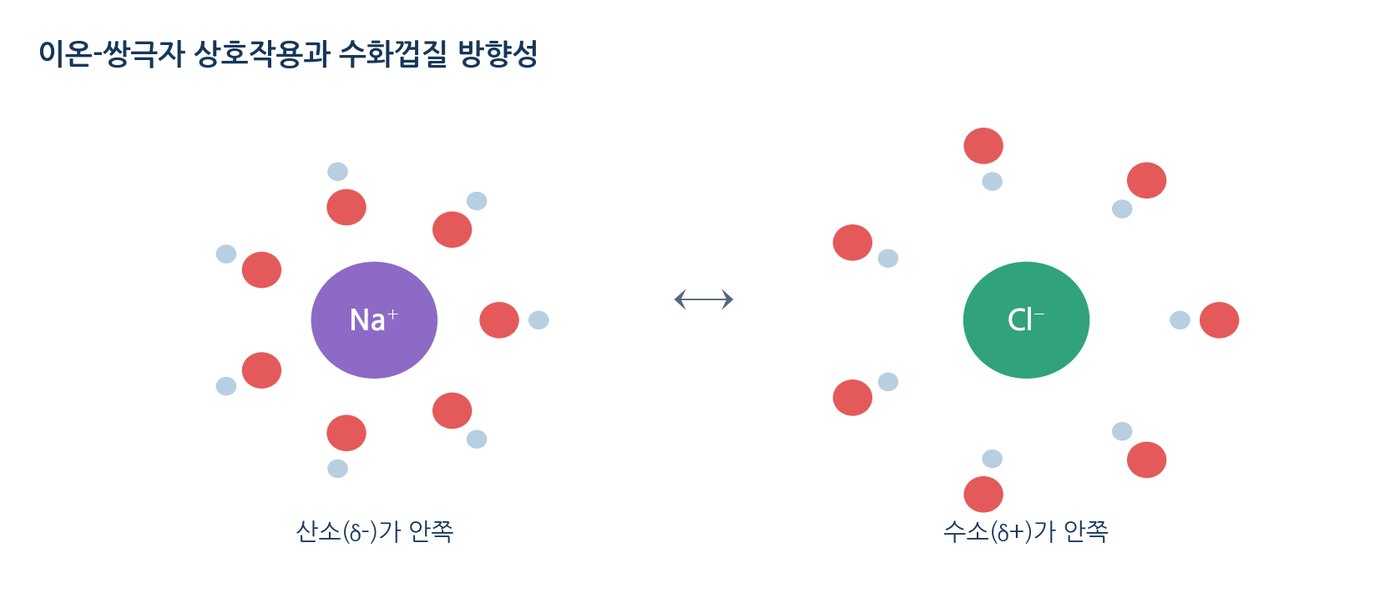
- Ion–dipole orientation: cations attract oxygen lone pairs, anions attract hydrogens
- Solvation shells screen charge–charge attraction
- Dielectric constant of water near 78 at 25 °C weakens salt bridges compared with vacuum
04
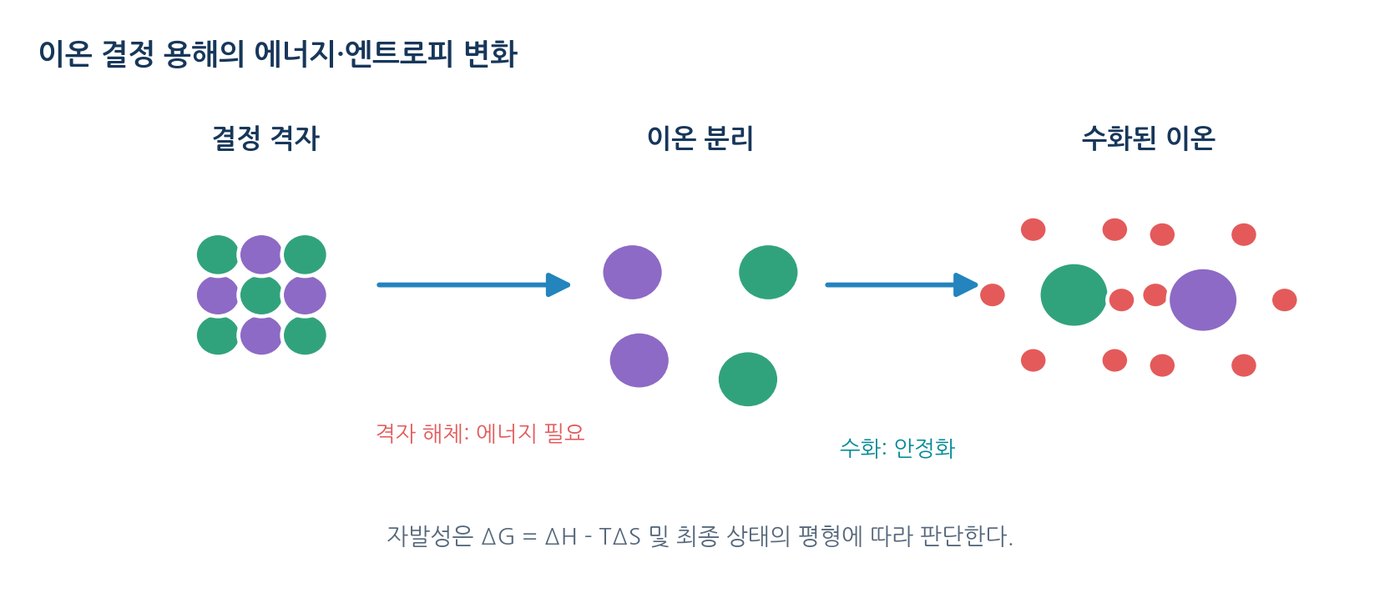
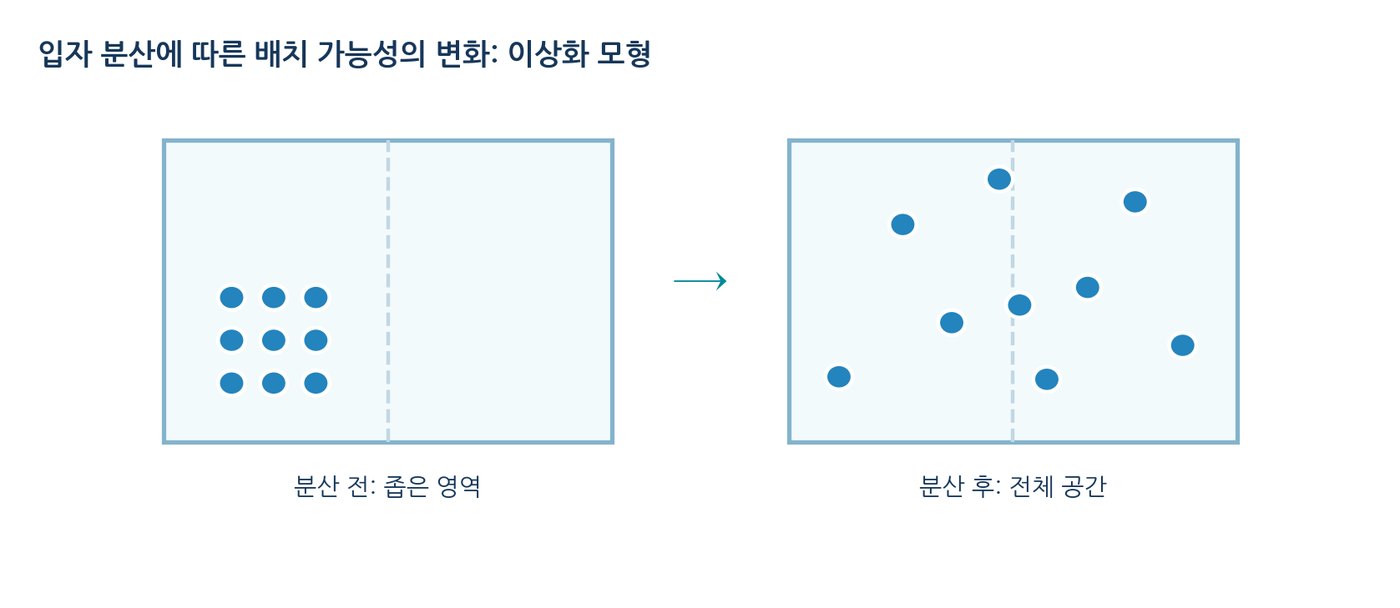
Dissolution of crystalline solids increases entropy
- A crystal has few accessible arrangements; a solution has many
- The entropy gain of dispersal offsets part of the lattice enthalpy
- ΔG = ΔH − TΔS decides whether dissolution is favourable
05
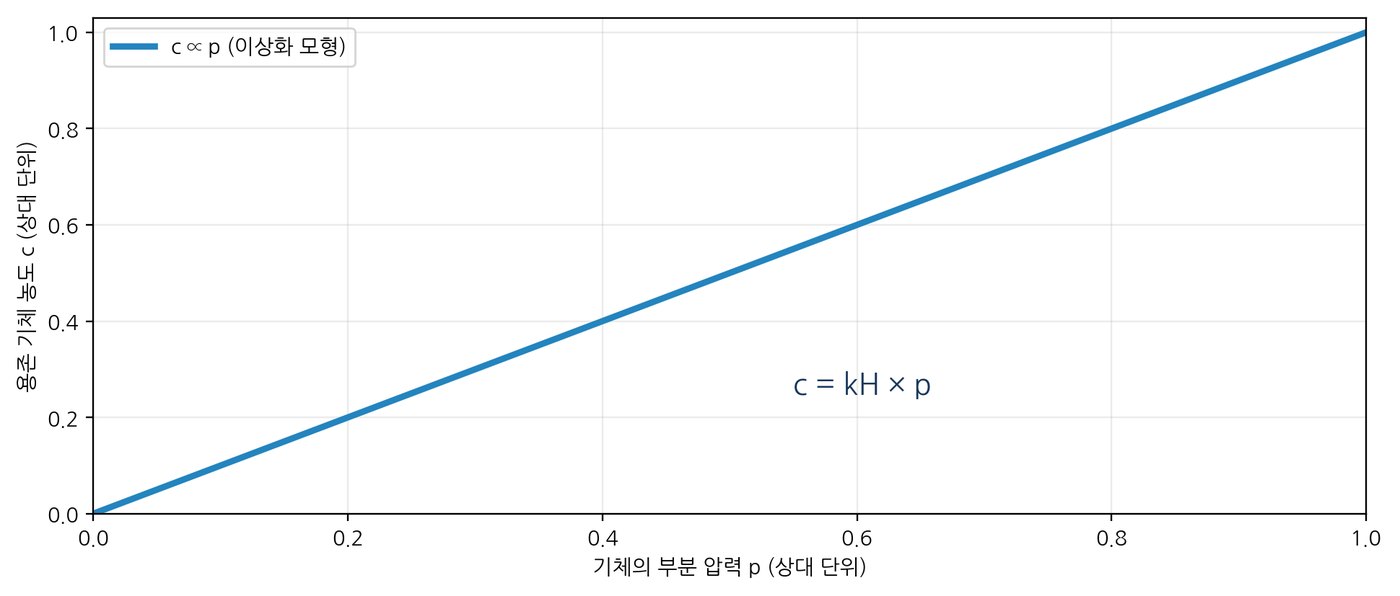
Nonpolar gases are poorly soluble in water
- Cavity formation costs energy that a nonpolar solute cannot repay
- Water around a nonpolar surface becomes more ordered: an entropic cost
- Gas solubility falls with rising temperature, so warm water holds less oxygen
06
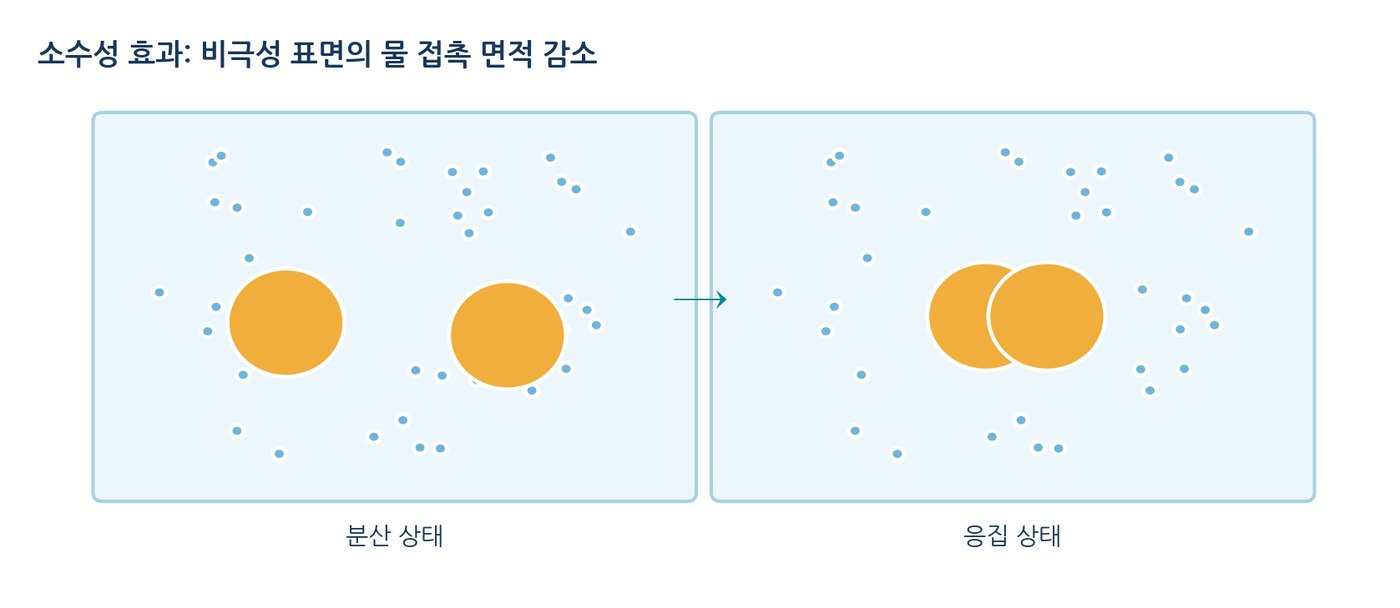
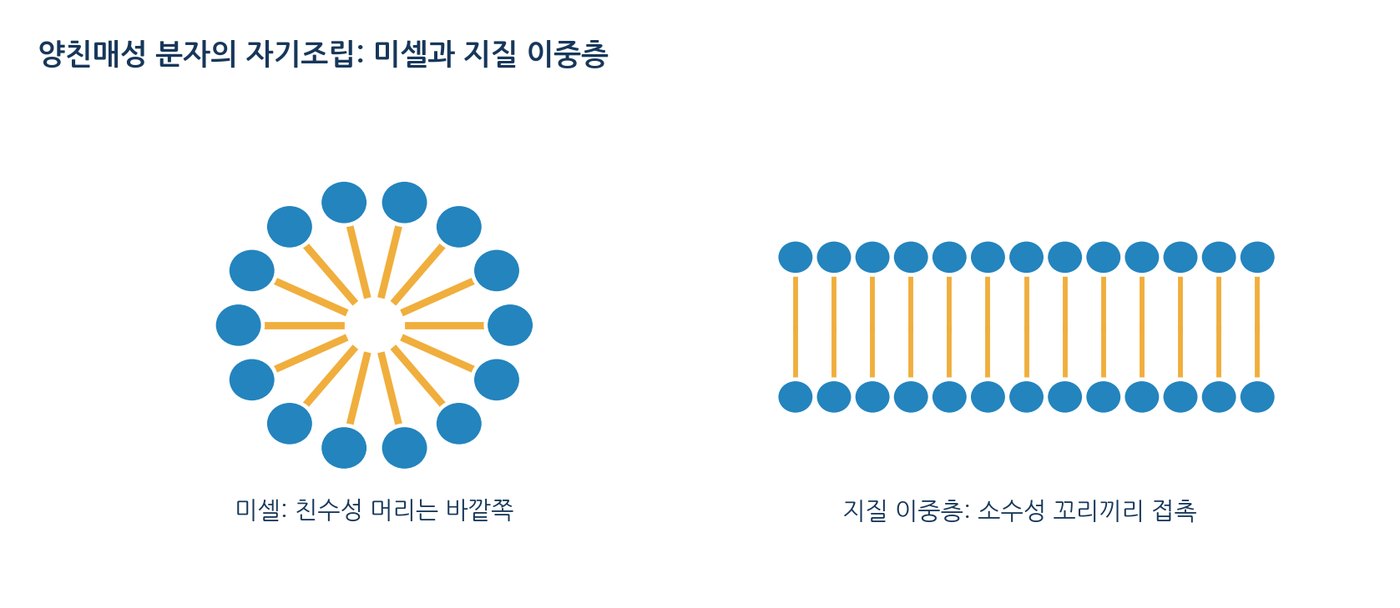
Nonpolar compounds disturb the structure of water
- Nonpolar groups cluster to minimise the ordered water surface around them
- Driving force is the entropy gained by released water, not attraction between nonpolar groups
- Underlies bilayer formation, protein cores, micelles and ligand binding
07
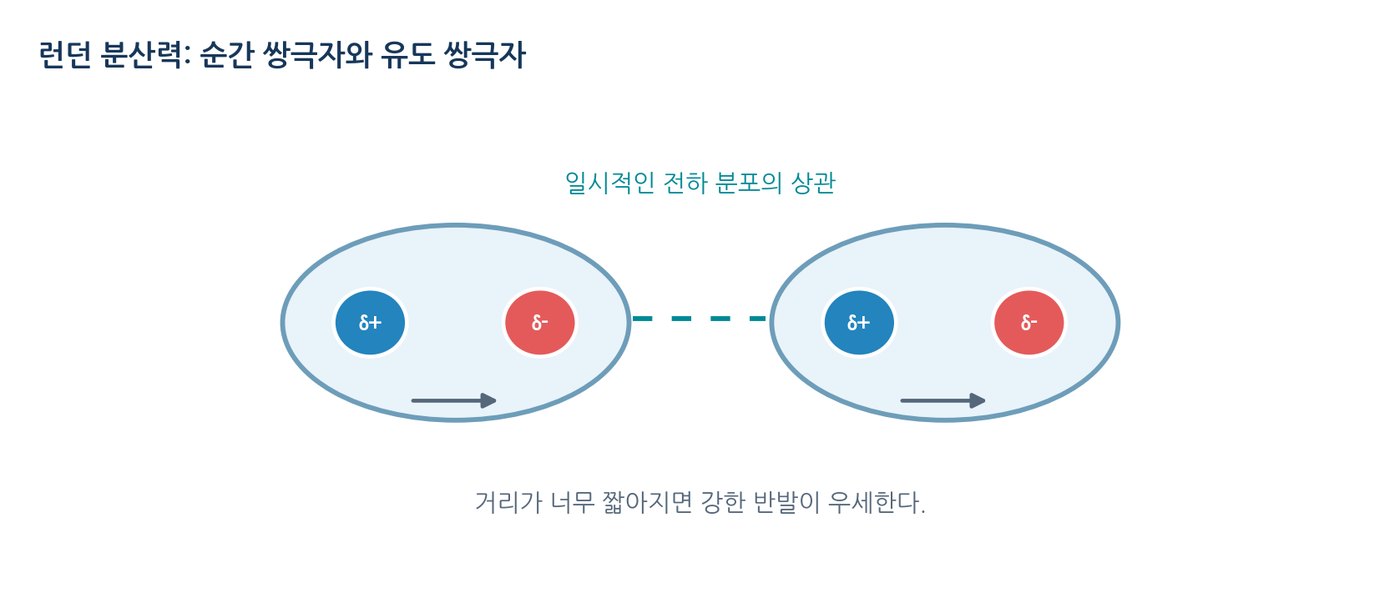
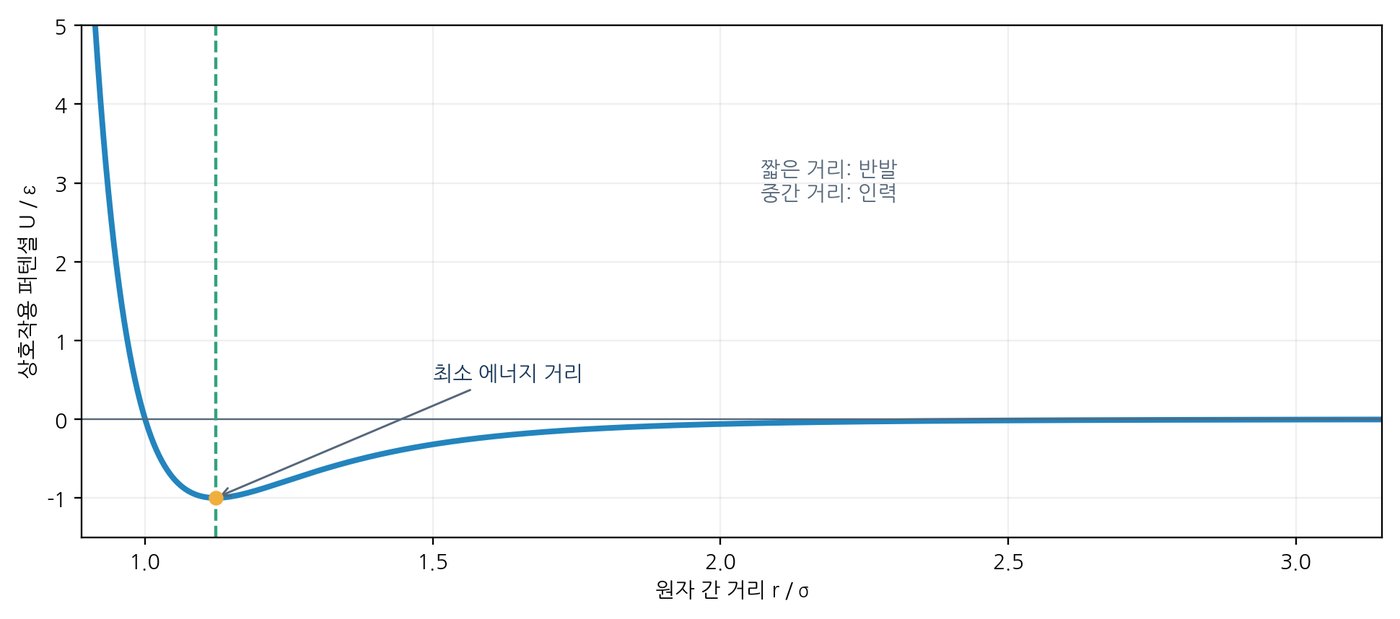
Van der Waals interactions are weak attractions between atoms
- Fluctuating dipoles induce dipoles in neighbouring atoms
- Attractive as 1/r⁶ with strong short-range repulsion; optimum at contact distance
- 0.4–4 kJ/mol per contact, but hundreds act together across a complementary surface
08
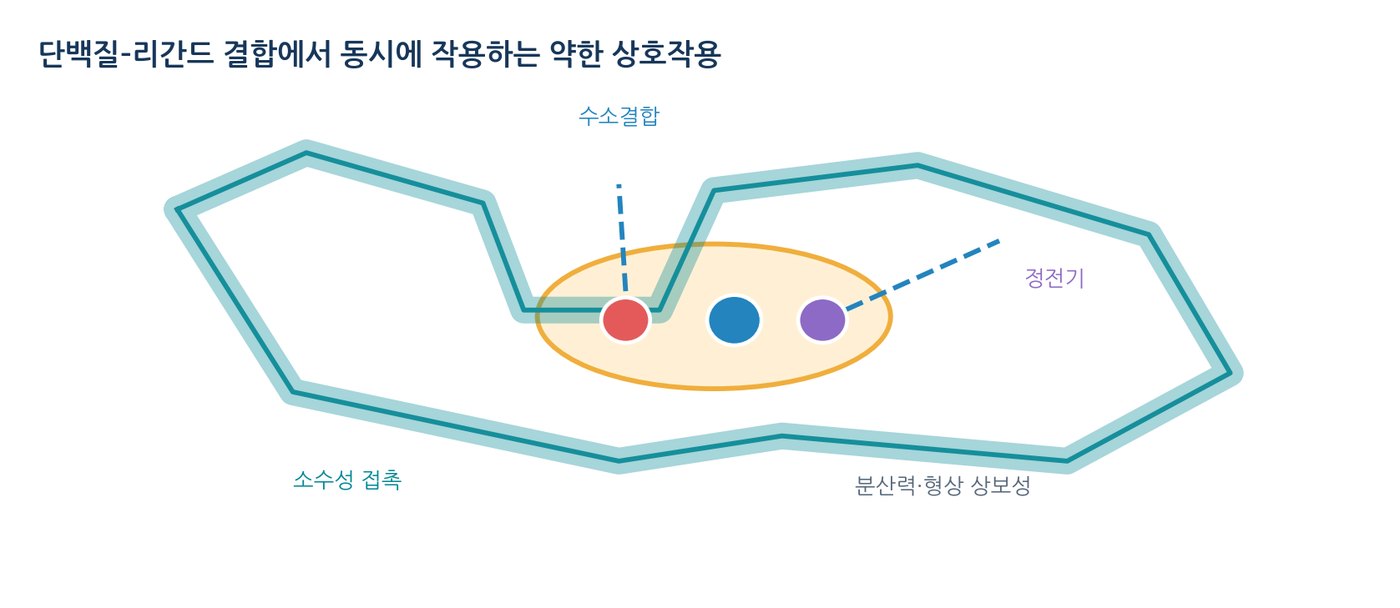
Weak interactions appear together in many combinations
- An interface typically combines hydrogen bonds, ion pairs, hydrophobic contacts and packing
- Individually weak energies sum to tens of kJ/mol for a well-matched surface
- Geometry requirements create specificity; weak bonds allow reversible assembly
09
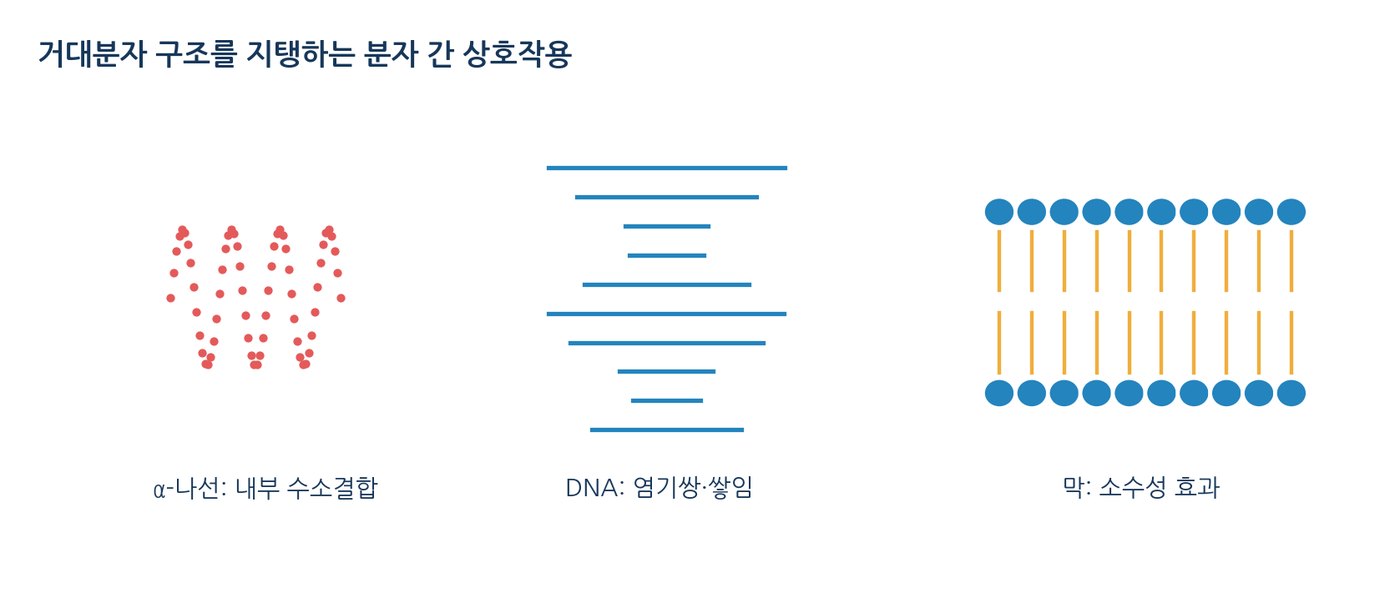
Weak interactions are central to macromolecular structure and function
- Protein folding: hydrophobic core, backbone hydrogen bonds, side-chain packing
- Nucleic acids: base pairing plus base stacking
- Membranes, enzyme recognition, hormone–receptor binding and allostery all use this toolkit
10
Solutes affect the colligative properties of aqueous solutions
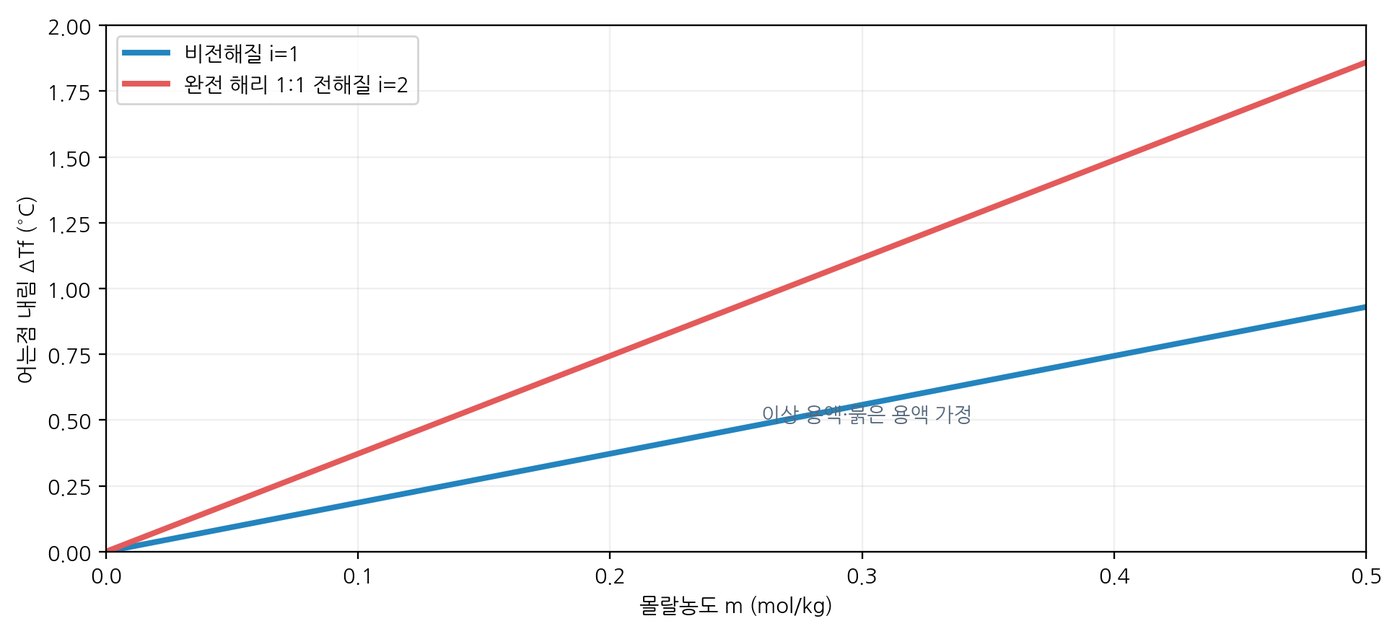
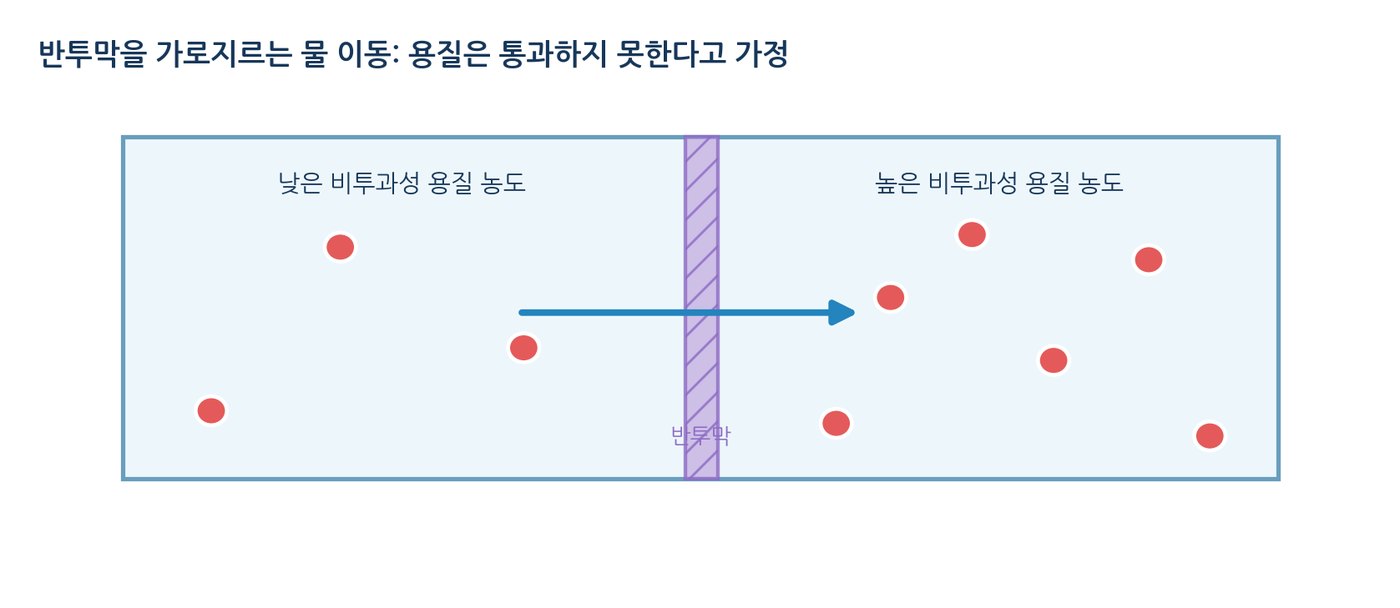
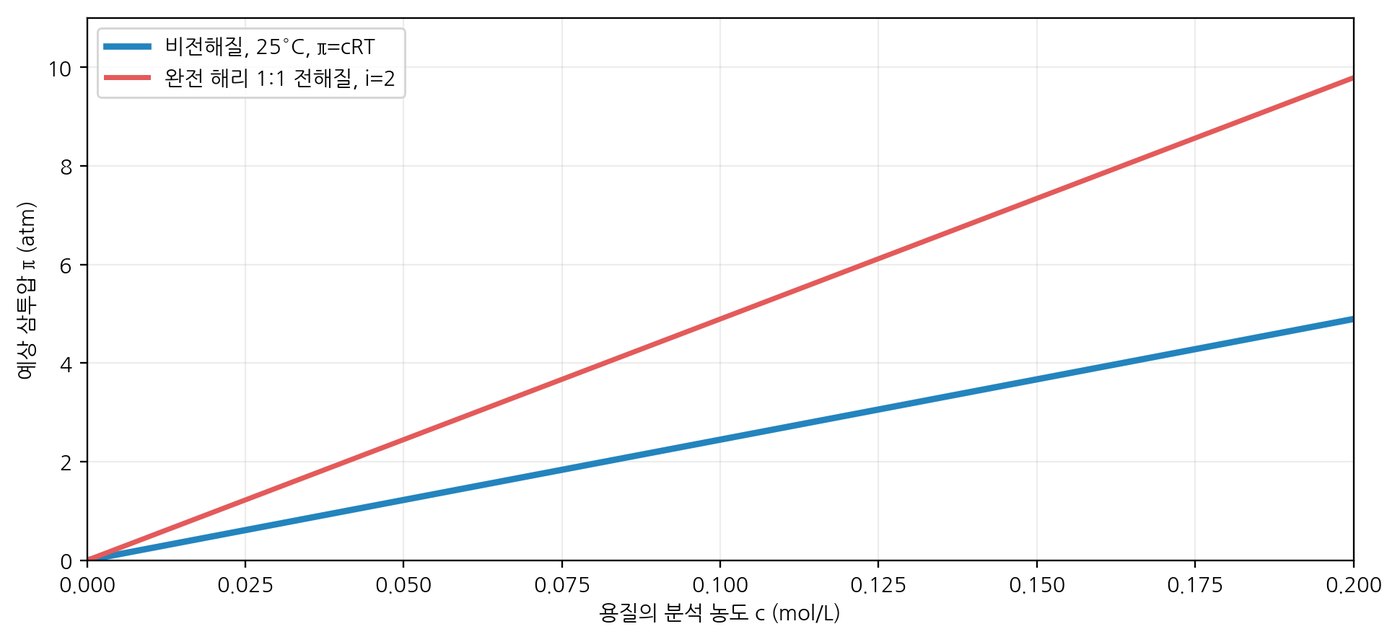
- Osmotic pressure, boiling-point elevation, freezing-point depression depend on particle number
- π = iMRT for dilute ideal solutions
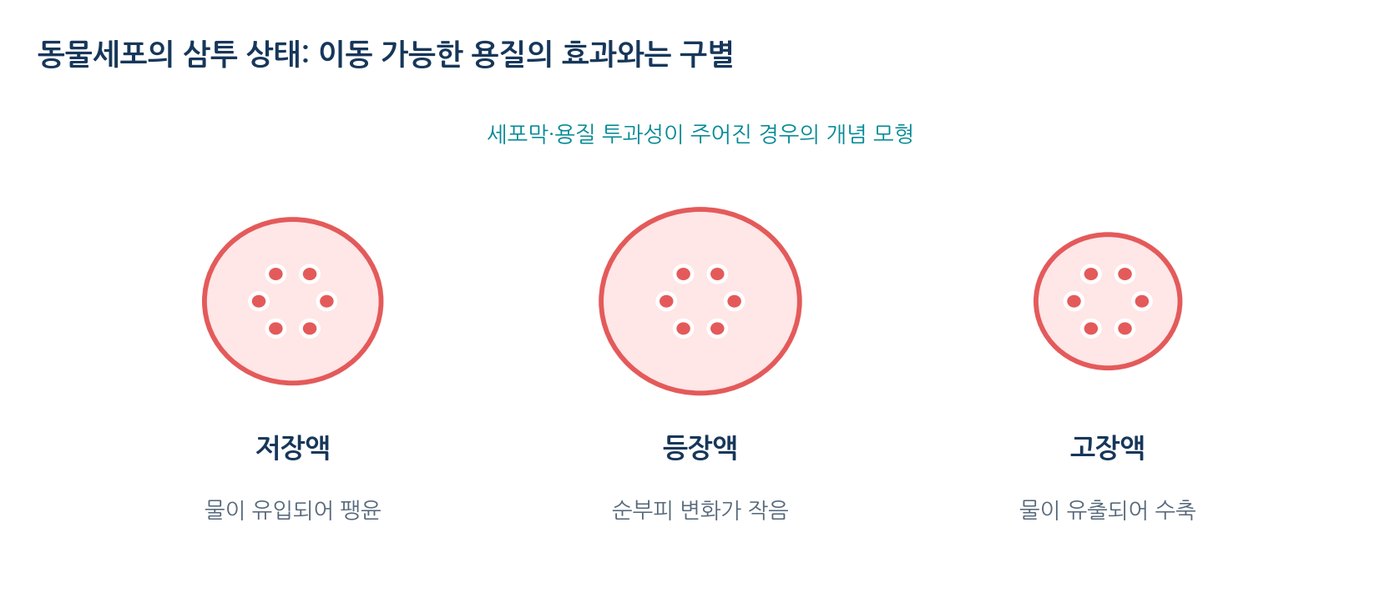
- Cells regulate osmolarity to control water movement
- ΔTf = i·Kf·m underlies biological antifreeze strategies
References
| Property | Molecular explanation | Biological meaning |
|---|---|---|
| High heat capacity | Energy changes in the hydrogen-bond network | Damps temperature fluctuation |
| High heat of vaporisation | Much energy needed for the liquid-to-gas transition | Evaporative cooling |
| Cohesion and surface tension | Free-energy cost of creating a surface | Water movement and interfacial phenomena |
| Low density of ice | Formation of an open solid lattice | Ice floats; aquatic environments are protected |
| High dielectric constant | Weakened electrostatic interaction between ions | Hydration and dissolution of ionic substances |
| Group or molecule | Typical role | Biological example |
|---|---|---|
| Hydroxyl –OH | Both donor and acceptor | Sugars, serine residues |
| Carbonyl C=O | Oxygen acts as acceptor | Peptide bond |
| Amide –NH– | N–H acts as donor | Polypeptide backbone |
| Carboxylate –COO⁻ | Oxygen accepts; charge interaction | Aspartate residue |
| Ammonium –NH₃⁺ | N–H donates; positive charge | Lysine residue |
| Factor | Typical contribution | Caution |
|---|---|---|
| Breaking the crystal lattice | Overcoming attractions costs energy | Depends on the lattice and the process |
| Hydration or solvation | New solute–water interactions, often stabilising | Water ordering and entropy also change |
| Dispersal of solute particles | Tends to increase the number of arrangements | Not identical to the total ΔS |
| Overall ΔG | Combined result of ΔH and TΔS | Depends on temperature, concentration and saturation |
| Interaction | Main principle | Example | Important condition |
|---|---|---|---|
| Hydrogen bond | Directional X–H···Y interaction | Peptide backbone, base pairs | Geometry; competition with water |
| Electrostatic | Forces between charges or partial charges | Salt bridge, ion–dipole | Ionic strength, dielectric constant |
| Van der Waals | Dipole and dispersion forces with short-range repulsion | Substrate contact, base stacking | Distance and surface complementarity |
| Hydrophobic effect | Hydration free energy of nonpolar surfaces | Protein interior, lipid bilayer | Temperature, solute size, solvent |
| Property | Dilute ideal solution | Interpretation and unit |
|---|---|---|
| Vapour-pressure lowering | p(solvent) = x(solvent) × p° | Nonvolatile solute, ideal solution, mole fraction |
| Boiling-point elevation | ΔTb = i·Kb·m | Kb: ebullioscopic constant (°C·kg/mol) |
| Freezing-point depression | ΔTf = i·Kf·m | For water Kf ≈ 1.86 °C·kg/mol |
| Osmotic pressure | π = iMRT | M in mol/L; R in L·atm/(mol·K) |
| Concept | How it is defined | Caution |
|---|---|---|
| Molarity M | Amount of solute species / volume of solution | Volume changes with temperature |
| Molality m | Amount of solute species / mass of solvent | Based on solvent mass, not volume |
| Osmolarity | Amount of osmotic particles / volume of solution | Account for non-ideal ion behaviour |
| Tonicity | No sustained change in cell volume across a given membrane | Permeable solutes must be considered separately |